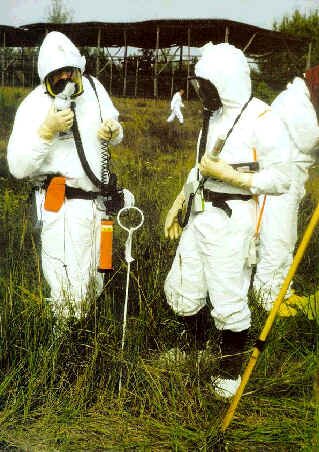
 Part of the nation's key radiation warning system was out of service as the U.S. braced for possible exposure to the fallout from a nuclear crisis in Japan.
 While no dangerous levels of radiation have reached American shores, the test of the monitoring network has spurred some lawmakers to question whether it can adequately safeguard the country against future disasters.
The system is crucial because federal officials use the monitors' readings to validate the impact of nuclear incidents, then alert local governments and the public.
In California, home to two seaside nuclear plants located close to earthquake fault lines, federal officials said four of the 11 stationary monitors were offline for repairs or maintenance last week. The Environmental Protection Agency said the machines operate outdoors year-round and periodically need maintenance, but did not fix them until a few days after low levels of radiation began drifting toward the mainland U.S.
About 20 monitors out of 124 nationwide were out of service earlier this week, including units in Harlingen, Tex. and Buffalo, N.Y. on Friday, according to the EPA.
Gaps in the system — as well as the delays in fixing monitors in some of Southern California's most populated areas — have helped to prompt hearings and inquiries in Washington and Sacramento.
"Because the monitoring system ... plays such a critical role in protecting the health and safety of the American people, we will examine how well our current monitoring system has performed in the aftermath of the tragic situation in Japan," said Sen. Barbara Boxer, a California Democrat who chairs the U.S. Senate Environment and Public Works Committee, which plans a hearing in the coming weeks on nuclear safety. (read more)


No comments:
Post a Comment